
Feel, Don't Show: How to Incorporate Art into your Films
- Joseph Nicikowski

- Sep 10, 2021
- 3 min read
Have you ever walked through an art museum, and said, “ooh this would make a great frame in my movie,” or, “this is exactly what I need to show my cinematographer!” Unfortunately, this is a waste of the potential art holds. The artist didn’t make this piece for you to use as your favorite frame. Rather, they made their art to speak to you and have a conversation.
The real question is how we further this conversation through our work. To start, art has deeper themes and messages than most movies do. In film, people begin to stray away from themes and dive deeper into morals. They like to have their films boxed up with nice messages that you can run home and share with your parents. We as filmmakers should strive for something more; to have people sit down in the theatre and leave, unable to share the experience they just had. It was something so rooted within their souls that they themselves do not fully understand how to explain it.
When you see a piece that truly speaks to you it is almost impossible to say why you’re so fond of it. As you dive into the history of the piece you may see that its themes and statements from the artist line up with your state of mind. For example, how would you represent this piece in film from Do Ho Suh’s “Passage/s”?
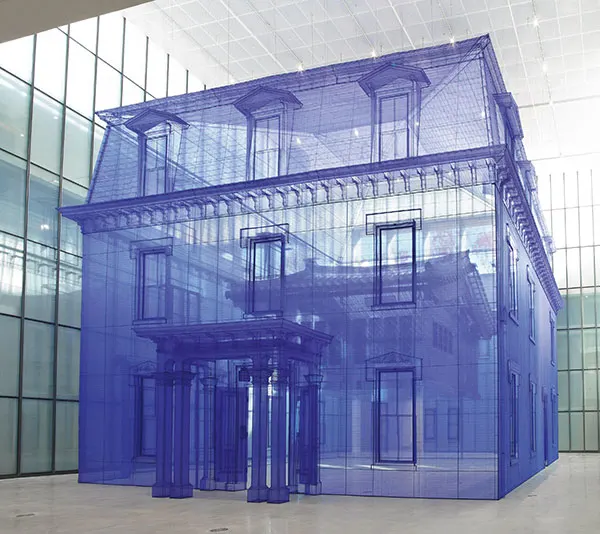
Would you show your actors walking through a transparent house? Why, and please do not say “because it looks cool.” Instead, you could expand on the theme that Do Ho Suh brings to light in this piece. The exhibition dives into the places we live and settle, whether they are temporary or permanent. As an immigrant migrating from South Korea the drastic change of “place” had an overwhelming effect on his identity. Being affected by changes in where you call home is a universal experience. You may not understand it in the same way that Do Ho Suh does, but you probably have also felt the shift of your own identity as you change places.
How about Felix Gonzalez-Torres’ heart-breaking piece “Untitled (Perfect Lovers)”. The piece showcases two clocks that are synced to the same time. As they run, counting minute by minute, one will begin to fall behind. The batteries weaken until one has stopped before the other. The clocks perfectly encapsulate the theme of time, specifically the time spent between Gonzalez-Torres and his partner Ross Laycock, who died during the AIDS epidemic.
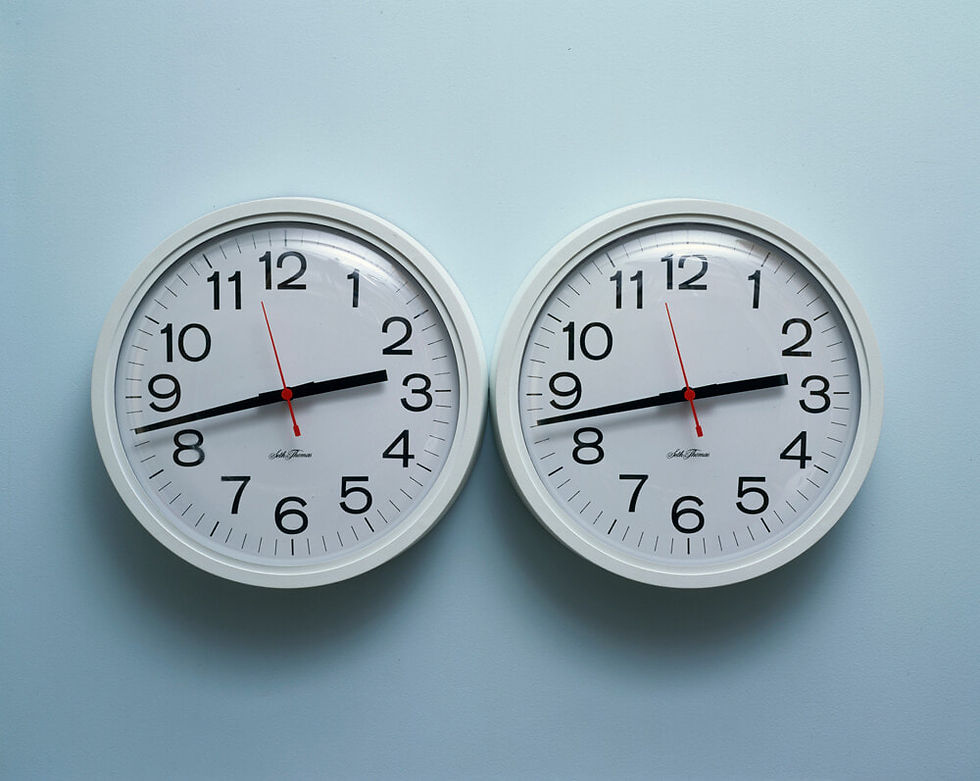
These two, simple, everyday clocks leave many people crying. Can you use time as a theme in your film? No one claims it better than Gonzalez-Torres himself, in a 1988 letter to Ross Laycock;
“Don’t be afraid of the clocks, they are our time, time has been so generous to us. We imprinted time with the sweet taste of victory. We conquered fate by meeting at a certain TIME in a certain space. We are a product of the time, therefore we give back credit were it is due: time. We are synchronized, now and forever. I love you.”
You can continue the conversation in your film by touching on time and the memory of the ones you love.
Contemporary art has eight overarching themes currently: identity, the body, time, memory, place, language, science and spirituality. These are touched on in “Themes of Contemporary Art: Visual Art After 1980” by Jean Robertson and Craig McDaniel. The pieces that have just been shared fall under contemporary themes in the art community. How many films do? At what point will we go from mimicking art as frames in a movie to using art as a guide to speak to our viewers?
A special thanks to these sources for helping make this article possible:
The meaning of Felix Gonzalez-Torres' Clocks/Perfect Lovers https://publicdelivery.org/felix-gonzalez-torres-clocks/
Do Ho Suh talk at the Architectural Association


Comments