
Why Can’t I Hear Dialogue in Films? A Sound Designer's Response
- K.J. Griffith

- May 20, 2022
- 4 min read
Updated: Jul 23, 2022
The following are questions I always get when someone finds out I work in film:
So what do you do in the film industry?
A sound designer? What’s that?
And then, I get this impossible question:
I just saw (insert movie here) and I couldn’t hear (insert actor here). Why’s that?
Truthfully there are A LOT of reasons as to why you can’t hear dialogue or that dialogue is lower than the rest of the sound design. Each film and their sound teams are completely different, so no two sound designs are going to be completely the same. Here are some of the biggest possible reasons as to why dialogue in different films may be hard to hear.
1. Camouflage Production Errors
The number one thing sound departments know is that every line of dialogue heard in any film has some sort of editing and filtering done. There is never any perfect location sound-wise, so lots of things are done in post to make the dialogue sound as clean as possible. So when you have the worst location sound, sometimes filtering doesn’t help the dialogue. In fact, it could become worse.

The next best thing to do is disguise the sound issues from production using sound effects and music. With layering more and more on top to camouflage production issues, you lose other elements. Finding the balance between camouflaging and overpowering is something you just can't master completely. Every situation is different, so sometimes you are going to lose parts of the mix that may be important like dialogue.
2. No Clearance in the Center Channel
In film, there are certain guidelines sound mixers follow. One of the biggest is to keep dialogue in the center channel. What this means is, for the most part, only dialogue and a few sound effects can be heard on the front center speaker, or divided between two speakers creating a “phantom center.” This set up makes dialogue easy to hear wherever you sit in the audience.

However, with the advent of new technologies and change in opinions for certain designers, the center channel is no longer just reserved for dialogue. Other elements now can be found within the center channel like effects or music. Now dialogue has to compete with everything else to be heard. This again makes it difficult for the audience to hear what is being literally said in the film.
3. Director's or Mixer's Vision
Sometimes it’s up to what the director wants to hear that ends up being what the audience hears. The final sound mix is dictated by the vision of the director and the approval of the producers or production company. If the director thinks there is something off, or they want to highlight another part the mix, the mixer follows along with the director.

I cite directors like Christopher Nolan with this explanation. Nolan’s films specifically have been critiqued on multiple occasions that the music was too loud or there was too much happening to actually hear what the actors were saying. Because it is a constant critique of his films, I could definitely see it being a choice by Nolan himself to mix other elements of sound to be more present than the dialogue. If it is a part of the vision Nolan has for the film, then the sound team will do what they need to do to make Nolan's vision come to life.
4. Popularity of Mumbling
This explanation goes hand in hand with the director's vision. It's been a recent fad in film acting to give what is called a soft delivery. What that means is the actor doesn't project their lines, in fact they are sometimes mumbled or said under their breath. They follow the emotion of the story to create a more realistic performance. This is great for story telling, but TERRIBLE for sound departments.

From production to post, this type of line delivery becomes an ongoing battle for the whole sound team. You may not be able to hear a line because it was an intentional choice from the actor's performance. You can't always fix mumbling in post to make it more clear. Unfortunately, it's something the sound team just has to accept through gritted teeth.
5. Home Theater Problems
If you take away nothing else from this article, please take away this: many of the films you see today are meant to be seen in a movie theater. Not your television, not your computer, and DEFINITELY not your phone. The sound mix specifically is made for the theater, with a large amount of speakers and padding in the proper locations to create the best quality of sound for the audience. Time and effort go into making the film not only sound great but consistent throughout all the theaters across the world. Now with that in mind, can the system you have at home replicate that?
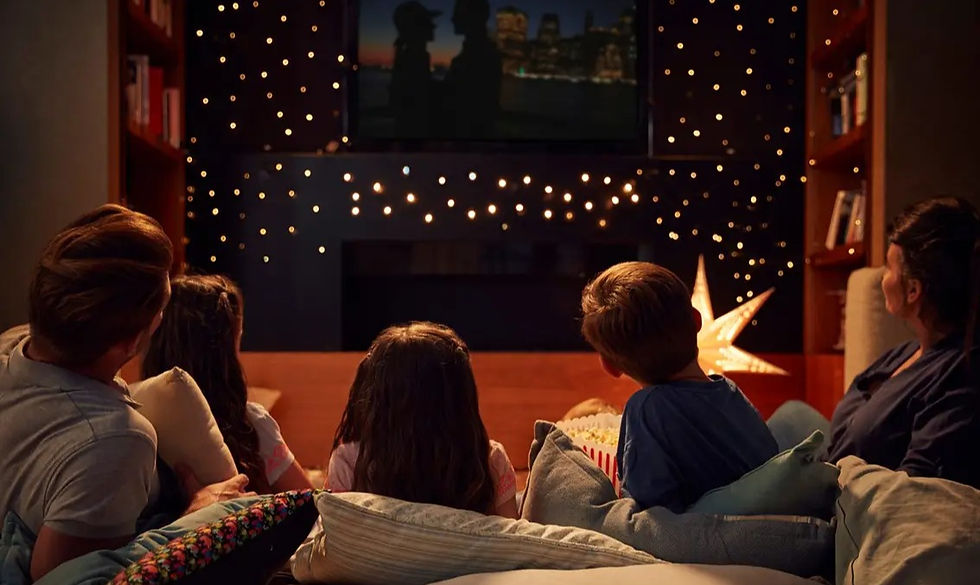
Truth is many films have to down mix or readapt to your television or online streaming. This is a really difficult task to do because now the mixer and sound team have to go from having multiple channels to work with to just one or two. All the elements end up fighting each other to be heard. The mix is potentially not as good as what you would hear in the theater because of this additional process for home release or streaming.

The past ten years of film specifically have changed how we hear dialogue for a multitude of reasons. Some of the more major ones are listed here but there are definitely more explanations as to why it may be difficult to hear what is being said. Truth is the only people who really know the answer to that question are the people who worked intimately with the film. If you ever ask me about dialogue, just know that it really is only a guess.
I should point the bigger reason though: the only reason you are asking me this question is because sound teams work their hardest to give you the best sound they can, even with all the difficulties they face. We never see the hardships they go through having to fix and clean up what you hear in the final mix. We only point out sound if it's bad, so maybe it's time to rethink how we see, or more so hear, film.


Comments