
Non-Film Courses Every Filmmaker Should Take
- K.J. Griffith

- Aug 19, 2022
- 6 min read
As summer is slowly slowing to an end, it's almost time to head back to school! For the ones who have decided to major in film, it definitely feels weird to study anything else like general electives. There are plenty of courses, however, that are not film related that will set you up for success in the film industry. Here is a list of different courses that are great ways to add on to your education as a filmmaker.

Photography
This one is kind of an obvious one, but I heavily recommend taking photography courses. Learning this skill is extremely helpful because it's a way to better understand cameras. I was pretty clueless when it came to how to use my own camera manually until I took a couple of photography courses. Now I'm way more confident in using my own personal camera.
Photography also helps with understanding lighting and working with different subjects. These skills are paramount in the camera department and great to know as a director. In many ways, photography and cinema go hand in hand. So photography is really easy to incorporate into your film studies.
Physics
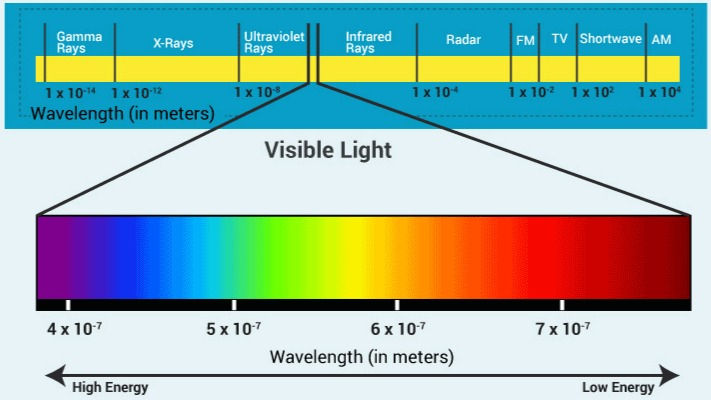
Physics studies how the world interacts with itself. Why does the ball fall when I let go of it? How do magnets work? How does light effect color? All of these questions are answered by physics. If you plan on working in the camera department or the sound department especially, you use physics everyday without even realizing it. So understanding at least some basic principles of physics will teach you how to work smarter, not harder.
Before I went to college, I took two years of physics courses and got college credit for them. When I got to college, I actually found myself a bit ahead in understanding light and electricity from the rest of my production classmates. I had already been exposed to the same equations and information in physics, so I was already comfortable with the information. This helped me over time because I already had a foundation of knowledge to build on.
Understanding physics can even save your life on set. In the camera department, it's extremely important to use certain equations for electricity to prevent blowing a fuse, or worse, electrocution. I heavily recommend taking classes in physics because it can be a vitally important science to learn in many situations.

Financial Literacy
All my friends know that I am a huge advocate of learning financial literacy as soon as possible. If you plan on working in the film industry, there is a huge likelihood that you will start as a freelancer. Money management is a vital skill as a freelancer. If you don't know how to manage your money, you will end up in debt.
Additionally, taxes are completely different as a contracted freelancer than the typical retail or restaurant jobs people start with. If you don't have/can't afford an accountant, you will have to figure the tax forms out yourself. From personal knowledge, I will tell you this: those forms are not simple and are easy to mess up. If you mess them up, you are committing a felony, so understanding how to file taxes and setting aside the money to pay those taxes is extremely important to know.
Also, the sooner you start saving and investing your money, the better you will be in the future when you're thinking about things like buying a home, starting a family, or even retirement. Setting yourself up now when you're young will pay off tenfold. Take the financial literacy course. It's worth your time.
Dave Ramsey please sponsor me.
Contemporary History
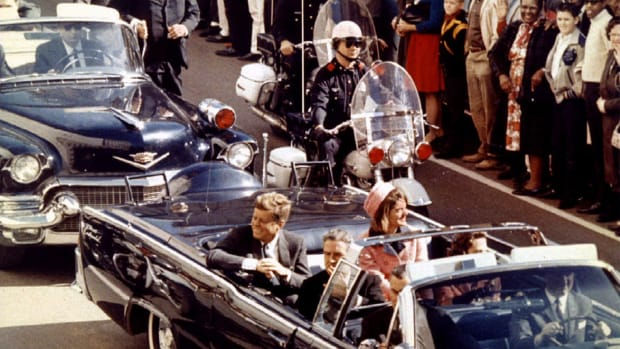
I'm sure everyone has taken multiple history courses in their life, but I really want to point out that filmmakers should take a contemporary history course. In high schools across America, they don't always teach history in-depth past World War II. I know I wasn't unless I elected to take a class on it. Film is a contemporary art form that makes up a big part of culture in the modern era. Pop culture and historical events go hand in hand when it comes to history, so it's important to know both because they affect one another. Films like "All the President's Men" and "Apocalypse Now" are both prime examples of this.
As a filmmaker, it's just as important to understand film history as it is to do your job on set. We as not only filmmakers, but artists, are inspired by our predecessors. It's a big part of the industry to study previous filmmakers to hone in on your own craft. Taking a contemporary history course gives you a more well rounded understanding of the visual story being told in the film, and more importantly why it's being told. This knowledge can potentially set you apart from others, or at least create some friendships on set.

Theater
I know a lot of people start in theater before going into film, but if you haven't, now is your chance! Theater is another form of visual storytelling that dates back thousands of years. It's kind of obvious, but learning about theater is a great way to understand how to tell a visual story to a wide audience. Many of the skills learned in theater can help with film industry jobs such as: screenwriting, directing, grip, sound, production design, etc.
Additionally, there is a lot of crossover when it comes to these two art forms. Film affects theater and vice versa. It's important to at least understand theater and the trends happening in the theater community. Many of the stories also follow a similar structure to film or can be easily adapted to a film setting. Whether it's theater history or taking up a production role in a theater, it provides great skills any filmmaker needs to learn.

Information Technology
This one goes out to all my people in post production especially. I was lucky enough to go to an alumni roundtable of editors. I found that a lot of them started working in an IT-adjacent position that was affiliated with editing software. To be able to troubleshoot and fix any sort of software is an essential skill in a competitive job field like film. Having a basic understanding of how different systems and software works can and will get your foot in the door at any big company.
Additionally, any computer class you can take will give you a basic set of skills needed for any job, not just film. Computer skills are great in positions at production offices too. With the need for technology in almost any career, it's great to have computer skills on your side.

Marketing or Advertising
Taking a class in marketing or advertising is really important in multiple film related jobs. Many people who study film or video production end up working in the commercial end of the industry. It's great when starting out to understand how advertising works, especially when working in commercial.
If you plan on becoming a freelancer, or work in the indie film circuit, you have to know how to market yourself. And no, it's not just on social media. Reaching out to the community, keeping up client relationships, and networking are all extremely important to succeed in the film industry. Understanding marketing and advertising can help you better promote yourself and your unique skills.

Design
Speaking of self promotion, a design course can help aid you in marketing yourself to the film industry. It's great to have design experience under your belt. Web design, graphic design, and communication design are all great things to have knowledge of when promoting yourself. Not only is knowledge in design important in self advertising, it also can set you up for a career in the film industry.
If you're interested in visual effects (VFX), it's definitely a great idea to take a graphic design course. Graphic design has different rules than other art forms, so it's good to know how to use those rules when it comes to VFX work in film. VFX is a big job that is always in demand in film, so taking a design course could really set you apart from others applying for the same job.

Writing
The reason I mention taking a writing course is for a multitude of reasons. I think many filmmakers can agree with the fact that telling a story takes lots of practice. Creative writing and screenwriting courses both give you the chance to work on that skill by creating a multitude of stories. Additionally, you get to work with others, and get critiques on your own story to make it better. It's really great to have a group to talk to when it comes to writing a story. It's even better to have people who know the creative writing process. This will make your story better and the critiques you get more insightful.
Writing will not only teach you how to write a story, but how to use correct spelling and grammar. I can't tell you how many times I've seen punctuation used incorrectly or usage of the wrong word because of spellcheck. I'm telling you right now that a writing class will teach you how to check over your grammar before submitting. Knowing these simple rules could be the way you end up receiving a grant for a passion project or win a screenwriting competition. Proper spelling and grammar should never be underestimated, and a writing course is a great way to learn that.


Comments