
Filming International? What You Should Know Before Rolling
- K.J. Griffith

- Mar 24, 2023
- 5 min read
Updated: Sep 3, 2023
In the short time I've been out of college, I have been able to work with crews not just in the states, but internationally. To be completely honest though, I was terrified before going on my first work trip overseas! There really isn't a lot of information out there to specifically prepare filmmakers on international jobs, so I thought that this post would help alleviate any worries when working internationally as a filmmaker. Here is a list of things you should know or do before traveling out of the country.

Check Your Equipment
You should do this even when working domestically, but it's even more important to check your equipment before traveling to another country. There's a large likelihood that you won't be able to easily access things like batteries or cables. Additionally, every country is different when it comes to products, so it's not smart to purchase things like batteries, even if you miraculously find a Walmart in, say, Central America.

There is also a large likelihood you'll have to add a couple things to your normal equipment bag. A big example is power adapters and converters. Many other countries have different plugs and different amounts of energy pumping through the electric grid. The last thing anyone needs is no way to charge batteries, or accidentally frying up all your batteries on the first day of filming.
Do Your Research
Before going on a big trip to another country, you should always do at least a little research before traveling. Things like learning at least a little of their language can help

immensely. Something as simple as researching the weather could be vitally important too. Additionally, knowing what kinds of transportation are available, along with what is near where you are staying can be helpful. Even understanding the airports and airport traffic can be vital in your plans ( I would know, I almost missed my flight not knowing it was vacation season in Europe!). Taking just five minutes to look up where you are heading can make a world of a difference.
Safety First
[Trigger Warning]
Especially as a woman traveling, I recognize that safety should also be a major priority when going anywhere, for work or for leisure. In foreign countries, you are more at

risk to be preyed on because you're a "foreigner that doesn't know any better." Different crimes are common in different countries. Some of the crimes I've heard in my travels include pick-pocketing, robbery, assault, human trafficking, stalking, and even being secretly recorded (it's apparently common in South Korean hotels).
Make sure you have a couple of tricks up your sleeve planned before you leave. For instance, this photo to the left shows off one of the many precautions I use. If you look closely on my hand, you'll see a fake engagement ring. I always wear one when traveling abroad for two reasons: to keep away unwanted advances, and to show people I have someone at home who will persistently look for me if I go missing (traffickers beware). Doing little things like dressing in local fashions or wearing a crossbody bag can make you less of a target.
I do not mean to scare anyone, but this is the reality of traveling anywhere. You always have to have your guard up. When on the job, you can be a little more at ease, but always be aware of your surroundings!
Customs can be an Absolute Pain
Traveling with just one suitcase can be annoying, but imagine traveling with twenty-plus bags to film in another country. You're a walking bullseye to border security everywhere. It goes without saying that crossing into another country as a film crew can be a nerve-wracking experience. However, many countries do have ways for groups like film crews to cross border with low hassle. Every country is different, but in over 80 different countries, there is an item that will save the headache: the carnet.
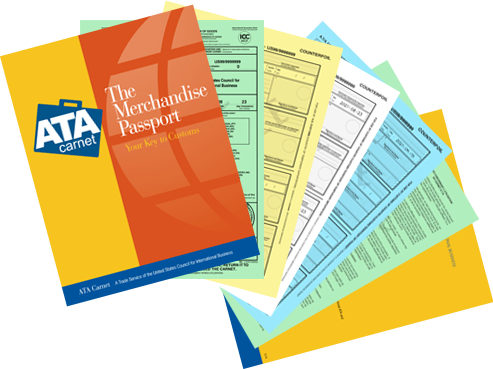
The ATA or TECRO/AIT Carnet (pronounced Car-nay) is also called a merchandise passport. It's a document that records every item you are bringing into a foreign country. It's additionally a document that proves you are not selling any potentially illegal products in another country without going through the proper channels. The carnet has to be an accurate account of what you have in your bags, or else you could get into real serious trouble. Do NOT add anything last second to your bag after the carnet is completed! Again, you could definitely get into some real serious trouble.
Make sure you know what exactly is in your bag, and get it correctly printed onto the carnet. If you properly follow the guidelines of the country you're entering, along with properly filing the carnet, it will be relatively easy to get through customs.
You Will Lose Your Luggage
For regular travelers, it's common knowledge that there's always a possibility your luggage won't make its destination. With international travel, it's even more of a reality. Language barriers, along with country security, can cause your bags not to make it to their next destination.
The best thing to do, unfortunately, is to put your contact information in large text on all your luggage, add some sort of way to track the bag, and hope that it doesn't go missing. I've definitely had equipment lost, especially jumping from one plane to another, but 95% of the time it gets back to you eventually. Just remember that contact information, because it can save you from thousands of dollars in lost equipment.
Sleep on the Plane

The jet lag IS REAL. Traveling internationally, especially if you plan on leaving North America, you're going to gain or lose several hours of the day. Changing time zones is hard on the body, both mentally and physically, and sometimes, you have to "hit the ground running" when it comes to working overseas.
For instance, one of the places I traveled to was approximately six hours ahead of the east coast. Additionally, we were arriving in the morning there. If I had not been advised to sleep on the plane, I would have gone over 24 hours with no rest. The last thing you would want is to be sleep deprived in another country, especially if you have to drive or meet the client the same day.
Sleeping on the plane can give you the chance to adjust your sleep schedule a bit faster to a different time zone. You probably will not get a jet lag day when working with a film crew, unfortunately. Remember to do everything in your power to push through or avoid that jet lag feeling. Sleep is your best friend; don't go without it!
Trust the Locals You’re Working With
Of course, trust your own instincts, but the people you are working with are great people to talk to for advice and information about the place you're staying at. Especially in a foreign country, you can easily end up in a bad situation on your travels. Having someone on your team that knows the area is such a huge benefit to your experience.

I have met some really wonderful people on my travels who have been so helpful and kind to me! Because of them, I've had the best experiences and conversations that I cherish so much. Anyone local to the place you are working have lots of knowledge that you just can't get online.
Knowing where to go, potential shortcuts, and even local customs, are all super beneficial to not just a good shoot, but good relationships with the clients. Good relationships with clients means you may end up with more stamps in your passport, if you catch my drift!
Enjoy Every Second

When I told my family about how I was going to be traveling to internationally for work, the first thing they said was how lucky I was. How many people can say they went to a foreign country, and get paid to do it? Not many, I can tell you that!
After work hours, you have quite the opportunity on your hands! Take the time to talk to the locals, go see undiscovered gems, and try new things. It's quite literally the opportunity of a lifetime. Just remember that the job needs to be done first. Take advantage of it and have fun!


Comments