
Book Review: Rebel Without a Crew
- Griffin Sendek

- Apr 8, 2022
- 5 min read
Updated: Aug 1, 2022
"Rebel Without a Crew: Or How a 23-Year Old Filmmaker with $7,000 Became a Hollywood Player" By Robert Rodriguez
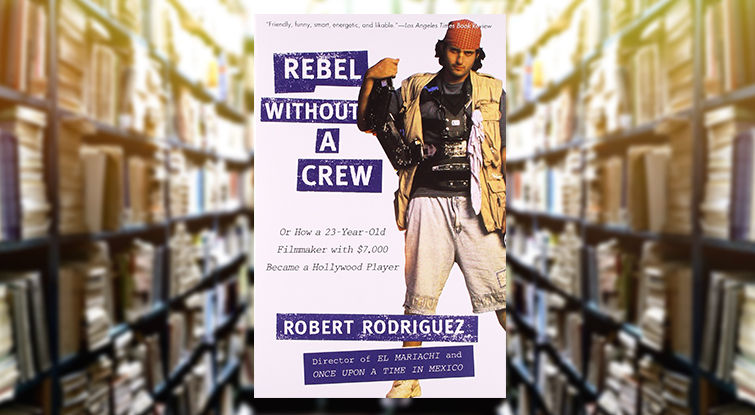
Rebel without a crew is a brilliant, funny and fascinating read that is filled to the brim with advice for budding young filmmakers. The autobiographical story chronicles the early stages of Director Robert Rodriguez's career, through the creation of his first big film production and subsequent breakout Hollywood success.
The autobiographical story told through Rodriguez's own journal entries chronicles the early stages of the director’s career, and every step of the production of El Mariachi.
In 1991 a 23-year-old Robert Rodriguez wanted to make a film but didn’t have nearly any money or necessary components to make that happen, no script, no crew, no camera, very little money and only the lead actor. He signed himself for a month of human drug trials for a few thousand dollars and took the time inside the hospital to write the script. Out of the hospital with a script and a few thousand dollars budget, he still couldn't afford any crew for El Mariachi so instead he wrote, directed, cast, produced, production designed, shot, gaffed, sound recorded, mixed and edited the film all himself.
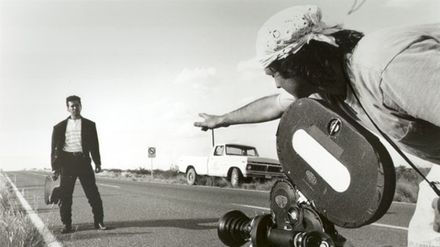
In the end, what should have been a mess of a film turned out to be something fun, fast-paced and now winning the hearts of audiences and studios at festivals, and would be the start of his Hollywood career. Rebel Without a Crew documents step along the way.
Coming from a journalism background as opposed to more traditional film, my introduction to filmmaking was a one-man-band ordeal, I didn’t have anyone else to be my crew so I learned to do all roles myself. This is why the story of “Rebel Without A Crew” and especially how he was able to pull it off all by himself immediately piqued my interest.


What’s so refreshing about this story as opposed to so many other tales of Hollywood directors retelling the keys to their success is how real and in the moment this feels. It’s not full of exhausting self-aggrandizement or giving advice based on flighty artistic feelings and after-the-fact summarization of how their greatness was present from the beginning. Rebel Without a Crew leaves the unnecessary fluff behind.
Rodriguez doesn’t take himself too seriously in Rebel Without a Crew. Afterall, he was 23-years-old just trying to make a film on a shoestring budget “for practice” so he could come back to school the next semester with something substantial under his belt. Rodriguez didn’t go into this production knowing what it would amount to, resulting in a very honest and humble tale.

Having the story told one day at a time through journal entries gives such a clear glimpse into Rodriguez’s life over these three years and the day-to-day work and roadblocks of what it takes to make a film and the slog of the studio system.
It would be easy to read this book and think Rodriguez’s results are instantly replicable, however, I fear many elements of the book are very much outdated, the film industry now is very different than it was in the early 90s. Attempting to follow in Rodriguez’s exact footsteps won’t yield the same results in 2022.

There’s a lot of luck involved in his story and it’s important to remember that when reading — not everyone that makes a good film is automatically given the proper praise and recognition they deserve. This is even more present today when the barrier to entry for making films is as low as it's ever been and there is no shortage of 23-year-old filmmakers attempting to hit it big.
Despite many outdated elements, there is still tons of evergreen advice and lessons found inside Rebel Without a Crew
My biggest takeaways:
1. Work within your bounds and limitations
2. The more crew jobs you can learn the better off you’ll be
3. A good tight script will take you far.
4. Just try to make a good film, save the rest for later.
1. Work within your bounds and limitations
“I told them that sometimes it’s good to have less money and resources because you’re forced to be creative.” Pg. 175
The quickest way to ruin your film or make it look like it was cheaply made is for its scope to be far out of your reach: too many locations, too many characters and reliance on moments or set pieces unobtainable within the bounds of your budget or access. Robert Rodriguez figured out what he had access to first and built the script tightly around that framework rather than squeezing a story around whatever is available after the fact.
“Low-budget movies put a wall in front of you and only creativity will allow you to figure out how to get around that wall. The less money and/or resources you have, the more you are forced to be creative,” pg. 175”
1. The more crew jobs you can learn the better off you’ll be.
“Just about anyone can become technical, but not everyone can be creative and there are a lot for creative people who never get anywhere because they don’t have technical skills,” pg.3.
Even if you’ve only ever dreamed of one job on the film set, there is almost no situation that understanding the roles of others on set won’t be helpful. A writer that has an understanding of the technical aspects of filmmaking is able to tailor a script to make for a more seamless production. A director that doesn’t understand any of the technical elements of their set will demand things unnecessary or impossible. A producer with creative intuition and understanding of the film being made can provide so much more than financing and organization.
“My boss said that if you are someone who is already creative, and then you become technical, then you are unstoppable.” pg.3.
2. A good tight script will take you far.
A good story with compelling characters that engage the audience covers a lot more ground than having the best possible cinematic camera shots, Oscar-level acting, perfect lighting, or biggest explosions. Put the time and energy into making the best script for the film you’re making, that doesn’t mean it has to be perfect, because it will never be perfect. If your story works really well on paper and fits within the confines and limitations of what you can create, every additional ounce of creative energy put into the other elements of the film will only work to enhance the story you already have.
3. Focus on making a good film first. Save the rest for later.
“Oh yeah, ‘just make a good film’ thanks a lot.”
When creating a film, whether you’re only a small role or doing the jobs of an entire crew, don’t get caught up in everything the film could be and all the key roles it will play in the advancement of your career. Putting that pressure on yourself or on the film and one will inevitably start to buckle. Rodriguez didn’t succeed at the festivals circuit and have studios fighting for the rights to make his movies because that was the plan all along. He made a quirky Mexican action movie and a love story that was well shot, and with tight snappy editing and audiences fell in love with it.
Robert Rodriguez’s “Rebel Without a Crew” is a quick and entertaining read and I recommend it to anyone looking to make their own film. While not all the advice and from the early 90s transfer to the modern-day this book is filled to the brim with so many stories about the production and the creative process there’s something for everyone to learn. Reading this book won’t put you on the fast track to Sundance but it might be enough to rethink some of the ways you make your films. I strongly recommend giving Rebel Without a Crew a read.


Comments